Author: tani.salazar

Real Advice from Real Caregivers: Free Caregiver Kits Now Available

Some of the best life advice comes from someone who’s walked the same path. They’ve been there—faced the challenges, made the mistakes, found what works—and now they’re sharing their wisdom to help others. When we first step into the role of caregiver, it can feel overwhelming because we’re never fully prepared. Everything is new, and most of us are figuring it out as we go. Wouldn’t it be great to get tips and tools from someone who’s already been through it? Now you can.

Introducing the Caregiver Kit

Alzheimer’s Caregiving and The Caregivers is offering free Caregiver Kits filled with practical information, helpful resources, and heartfelt advice—from caregivers, for caregivers.

The organization was founded in 2023 by Tony Vericella, a longtime executive in Hawai‘i’s tourism industry and devoted caregiver to his beloved wife, who is living with Alzheimer’s disease. He launched the nonprofit on their wedding anniversary, which also happens to be World Alzheimer’s Day, as a way to give back and support others on the same journey.

What’s Inside the Kit?

The Caregiver Kits include everything from guiding principles for dementia care, a list of tried and true caregiving supplies, activities to keep your person engaged and entertained, and trusted places to learn more and get support. The kits come neatly packaged in a folder and can be mailed to caregivers across Hawai‘i—and even nationwide

How to Get Yours

Request your free Caregiver Kit by visiting: alzcaregiving.org/caregivers-kit
Just fill out the short form and it’ll be on its way.

If you’d like to support this work or if you’re part of a support group or organization that would like to bulk order kits, contact them directly at contact@alzcaregiving.org.

Caregiving is hard—but you don’t have to do it alone. These kits are a tangible way to remind caregivers that support is out there, and that their caregiving matters.

Early Detection of Dementia: Why It Matters More Than Ever

Early detection is key. The sooner we recognize signs of dementia in ourselves or our loved ones, the more options we have to slow progression, improve quality of life, and plan for the future.

Today, there are disease-modifying treatments available for people in the early stages of Alzheimer’s disease. Research also shows that brain-healthy lifestyle changes—like staying active, eating well, and staying socially connected—can reduce the risk of dementia and support cognitive function.

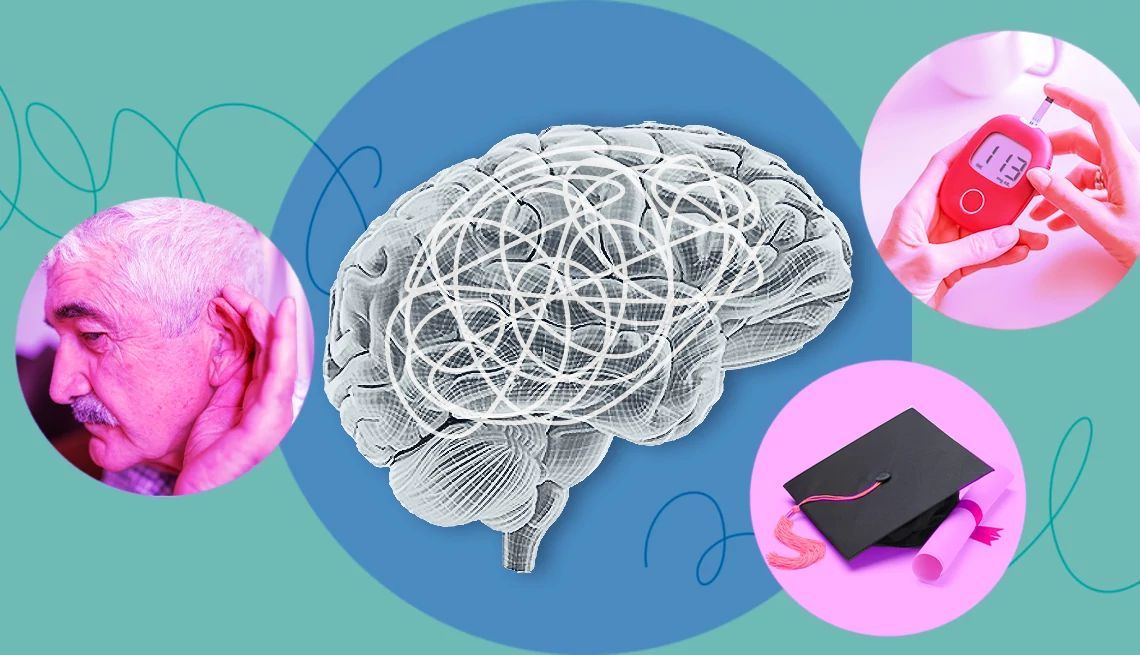
Detecting cognitive changes early allows healthcare providers to rule out other treatable causes of memory issues, such as: Depression, Hearing loss, Medication side effects, Vitamin B12 deficiency, Infections (like Urinary Tract Infections), Stroke or cardiovascular issues, Alcohol use or overdose, Delirium or sudden confusion.

New Tools for Diagnosis

In the past, an Alzheimer’s disease diagnosis could only be confirmed after death. Today, screening and evaluation practices have improved significantly so that we can detect and diagnose the disease earlier and more accurately. There is no single test to determine if a person is living with Alzheimer’s disease or another related dementia. Health care providers use a combination of diagnostic tools combined with medical history to make an accurate diagnosis. A thorough evaluation includes a physical exam, neurological exam, cognitive testing, imaging, and biomarker fluid analysis.

Amyloid PET scans, the gold standard for detecting Alzheimer’s-related brain changes, have traditionally only been available on the continent. However, one of Hawai‘i’s largest health systems is working to bring this technology to the islands within the next couple of years. Hawaiʻi providers may more commonly order an Magnetic Resonance Imaging (MRI) of the Brain to confirm a dementia related diagnosis as this is currently more readily available in the islands. 

Recent improvements in biomarkers research for Alzheimer’s disease may offer providers another helpful tool to assist in the diagnostic process and evaluation for treatment. The cerebrospinal fluid test is used to confirm the presence of tau tangles and amyloid plaques, the hallmarks of Alzheimer’s disease, before someone starts the new Alzheimer’s treatments. Recently, blood-based biomarkers tests are starting to be FDA approved. These blood tests are not yet available everywhere and are not widely covered by insurance (hopefully soon). The blood tests are currently only recommended for use in specialty clinics with access to disease modifying treatments. 

Hawai‘i Pacific Neuroscience is offering a free blood biomarker test (Elecsys® pTau217) through the TRAVELLER study for individuals aged 50–90 with memory concerns. This test is comparable to a PET scan and can detect amyloid plaques—hallmarks of Alzheimer’s disease—through a simple blood draw. Call (808) 564-6141 or visit the Hawaii Pacific Neuroscience website to learn more.

Treatment Options

Leqembi (lecanemab) is a disease-modifying treatment now available in Hawai‘i through providers like Hawai‘i Pacific Health, Queen’s Health System, and Hawai‘i Pacific Neuroscience. It’s currently administered via IV every two weeks. Lecanemab can be covered under Medicare if patient is enrolled in a clinical registry and under HMSA HMO/PPO/QUEST/Medicare Advantage with prior authorization.

Leqembi was recently FDA-approved for a subcutaneous injection version which allows patients to self-administer weekly injections at home after completing the initial 18-month IV treatment. This new option offers greater flexibility and convenience for patients and caregivers, but may not be available in Hawaiʻi at this time.

Kisunla™ (donanemab) is another disease-modifying treatment that was recently approved by the FDA in 2024 and is administered via IV every month. Donanemab is not yet readily available in Hawaiʻi at this time.

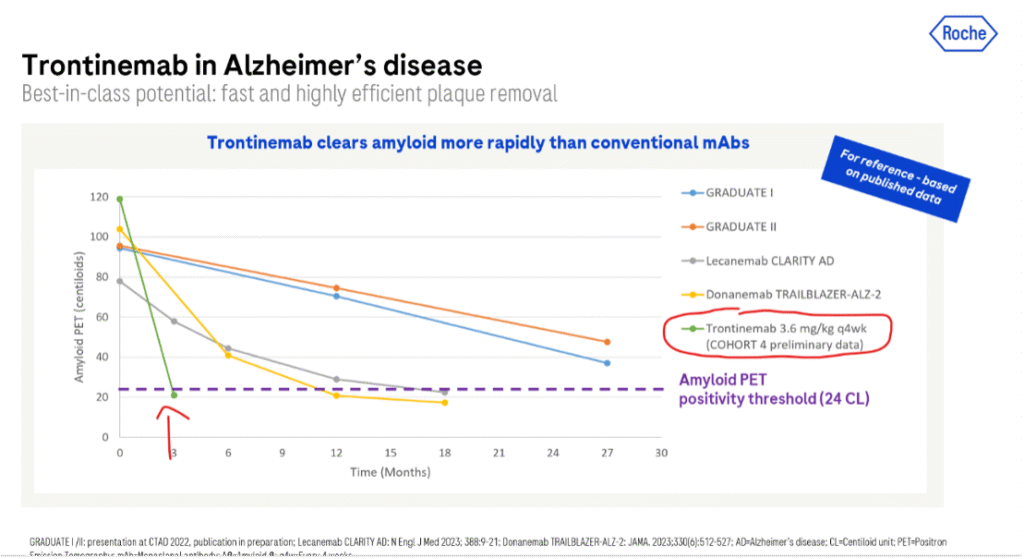
Both of these disease-modifying treatments (DMT) listed above are monoclonal antibodies that are designed to remove amyloid plaques from the brain. Both DMTs have risk for amyloid-related imaging abnormalities (ARIA). These therapies are not for everyone, as only individuals in the early stages of Alzheimer’s disease are eligible. However, they represent a major shift from symptom management to slowing disease progression. While the benefits are modest, they mark the beginning of a new era in Alzheimer’s care.

Care, Support, and Planning Ahead

Early diagnosis also gives families time to learn about dementia, access caregiver training, and connect to resources. The earlier we can detect dementia, the sooner we can educate the family and train the caregiver with dementia care strategies so that they are empowered to take on this role and to find joy on the journey ahead. In Hawai’i, there are educational opportunities available in every county to learn more about dementia and how to support someone living with dementia.

Caregiving can be difficult and it’s a role that most of us are never fully prepared for. Caregiver training empowers caregivers to know what to expect, how to care for their person, how to cope and reduce caregiver burnout. The sooner we can detect dementia, the faster we can connect the person to resources, plan for care, and start eligibility processes for services so that they can access support to help them live well with dementia.  

When dementia is detected early, individuals can make important decisions about their care preferences in advance. This includes completing documents like Advance Healthcare Directive and Provider Orders for Life-Sustaining Treatment (POLST).  These tools ensure that loved ones understand your wishes and aren’t left to make difficult decisions alone. Advance care planning can give you piece of mind about your future care and it is a gift to the next generation.

There Is Hope

Now more than ever, we have hope. Getting a diagnosis is not the end. It’s the beginning of a new chapter. We have care options and resources to live well with dementia.

It’s okay to talk about it. Nearly everyone we meet knows someone living with dementia or knows a caregiver for someone living with dementia. You are not alone. This is a challenging road, so let’s support each other on it and find joy on the journey.

Let’s keep talking about brain health, and move forward together—with knowledge, compassion, and aloha.
Building a Dementia-Friendly Hawai‘i: Federal Support Continues

In times of growing division and uncertainty, one issue continues to unite people across the country: Alzheimer’s disease and related dementias (ADRD). ADRD remains a pressing public health concern—and a rare bipartisan priority.

In the recent H.R.1, funding for dementia education and public health infrastructure was preserved, ensuring continued support for communities like ours.

What Is the BOLD Program?

The Building Our Largest Dementia (BOLD) Infrastructure for Alzheimer’s Act (Public Law 115-406) was signed into law in 2018, reauthorized in 2024, and is administered by the Centers for Disease Control and Prevention (CDC). This landmark legislation funds a national public health initiative to strengthen the infrastructure needed to address ADRD.

Through BOLD, jurisdictions across the U.S. receive funding to:

  • Develop and implement strategic plans on ADRD
  • Build multisector coalitions of community stakeholders
  • Educate the public and professionals on ADRD
  • Implement public health strategies to raise awareness, improve care, and support families

Together, we’re creating a collective response—educating communities about brain health, training professionals in dementia care, improving data collection, and strengthening connections between clinical and community services.

Guided by the Healthy Brain Initiative

This work is grounded in the Healthy Brain Initiative, a national movement that promotes brain health as a core part of public health. The Healthy Brain Initiative Road Map outlines strategic actions for states and communities to follow. Hawai‘i’s own plan, Hawai‘i 2035: State Strategic Plan on Alzheimer’s Disease and Related Dementias, is aligned with this national framework.

Hawai‘i’s Progress and Challenges

The Hawai‘i State Department of Health Executive Office on Aging was awarded a BOLD planning grant in 2020-2023 and BOLD implementation grant for 2023-2028. They recently received approval to continue this BOLD work in Year 3 of the five-year implementation grant. While the current federal shutdown may cause delays, the Hawai‘i BOLD Program remains committed to its mission.

The program continues to support the Hawai‘i Dementia Initiative coalition and recently welcomed a new BOLD Coordinator to manage the BOLD grant and help coordinate coalition efforts.

A Cause That Unites Us

Alzheimer’s disease and related dementias affect families from all walks of life. The color purple, often used to represent Alzheimer’s, is fitting—it symbolizes unity across political lines, backgrounds, and beliefs. People from the right and left, red and blue, are coming together to make a difference for Hawai‘i’s kūpuna and families.

Join the movement. Become a Dementia Champion.
Together, we can build a stronger, more dementia-friendly Hawai‘i.

Raising Awareness, Reducing Stigma: Hawai‘i Public Awareness Campaign

Alzheimer’s disease and related dementias (ADRD) are impacting over 100,000 lives statewide. Together, we’re working to raise awareness, reduce stigma, promote early detection, and bring hope to our communities. To support this effort, the Hawai’i State Legislature appropriated $1 million to fund a public awareness campaign led by the Executive Office on Aging (EOA). The campaign goals are to educate the public about ADRD, improve early detection of dementia, and encourage people to talk with their healthcare provider about cognitive health.

Building the Campaign

EOA conducted market research, reviewed successful campaigns from other states, and facilitated a competitive procurement process. The contract was awarded to Anthology Marketing Group, who completed both qualitative and quantitative research to better understand public perceptions of ADRD in Hawai‘i. Insights from focus groups and surveys helped shape the campaign’s creative direction, ensuring the messaging would resonate with local communities.

Introducing: The Remember Campaign

Launched in August 2025, the Remember campaign carries the motto: “Know sooner, live better.”

The campaign includes multiple public service announcement videos, audios, graphics and social media content. The main PSA video highlights cherished moments in life and encourages viewers to protect their brain health by speaking with a healthcare provider if they notice early signs of dementia. Shorter videos on social media depict common early signs—like getting lost in familiar places, missing appointments, struggling with numbers, or forgetting to turn off the stove. The videos can be viewed at the YouTube channel @hawaii.dementia

Where to See The Campaign

The campaign can be seen or heard on traditional television, over-the-top television, radio, Spotify, online advertisements, YouTube, Facebook, and Instagram.  In September, during World Alzheimer’s Month, local news stations will feature interviews with local voices sharing about the campaign. In November, during National Caregiving Month, the campaign will expand into local newspapers, spotlighting real-life stories of people in Hawai‘i living well with dementia.

A Growing Movement

As dementia rates rise, so does community momentum. People across Hawai‘i are coming together to normalize conversations about brain health and support one another.

We all have a role to play—whether it’s:

  • Spreading the word about the benefits of early detection
  • Asking for a cognitive screening during your Annual Wellness Visit
  • Reaching out to someone who may be struggling and being a friend
  • Becoming a Dementia Champion and sharing this with your community

Every action matters.

After the campaign launched we visited a local geriatric clinic and the doctor shared, “It’s working!”—they’ve seen a noticeable increase in patients calling to prioritize their cognitive health.

Soon, cognitive screenings will become a routine part of our yearly check-ups, diagnostics will continue to advance, more treatment and support options will become available. Let’s keep moving forward together. As the Healthy Brain Initiative reminds us: “Everyone deserves a life with the healthiest brain possible.”

Follow Us on Social Media

Sign Up for Our Email Newsletter

Receive News, Alerts & Updates via Email

You are now leaving the Hawaii Dementia Initiative website to visit an external site.