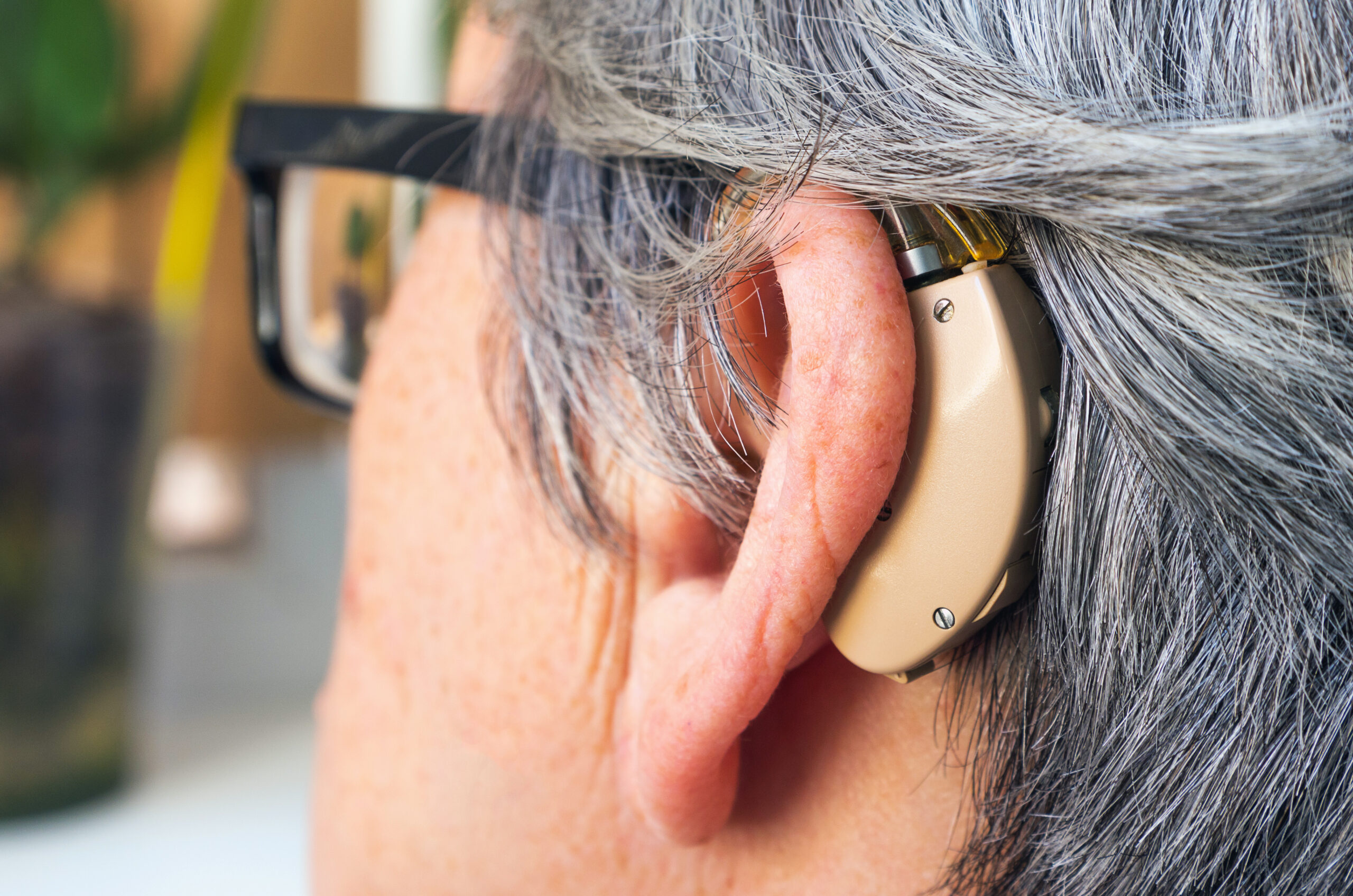
Hearing loss is now recognized as a major risk factor for dementia. The 2024 Lancet Commission report on dementia prevention, treatment, and care shows strong evidence that treating hearing problems can lower the risk of dementia. Their recommendation is to “Make hearing aids accessible for people with hearing loss and decrease harmful noise exposure to reduce hearing loss.”
However, hearing aids do not seem to improve overall cognition scores in older adults. More long-term studies are still needed. The evidence is stronger than ever that treating hearing loss with hearing aides is beneficial in reducing dementia risk.
Pacific Hearing Care (Kahului, Hilo, Līhuʻe, Honolulu, Mililani, Kaunakakai, Lānaʻi)
(808) 955-7366
This listing is intended for informational purposes only. Inclusion of an agency on this listing does not imply endorsement, nor is exclusion a reflection on the value or quality of an agency’s services.
Mahalo to Linda Axtell-Thompson for sharing this recent news article and research study!
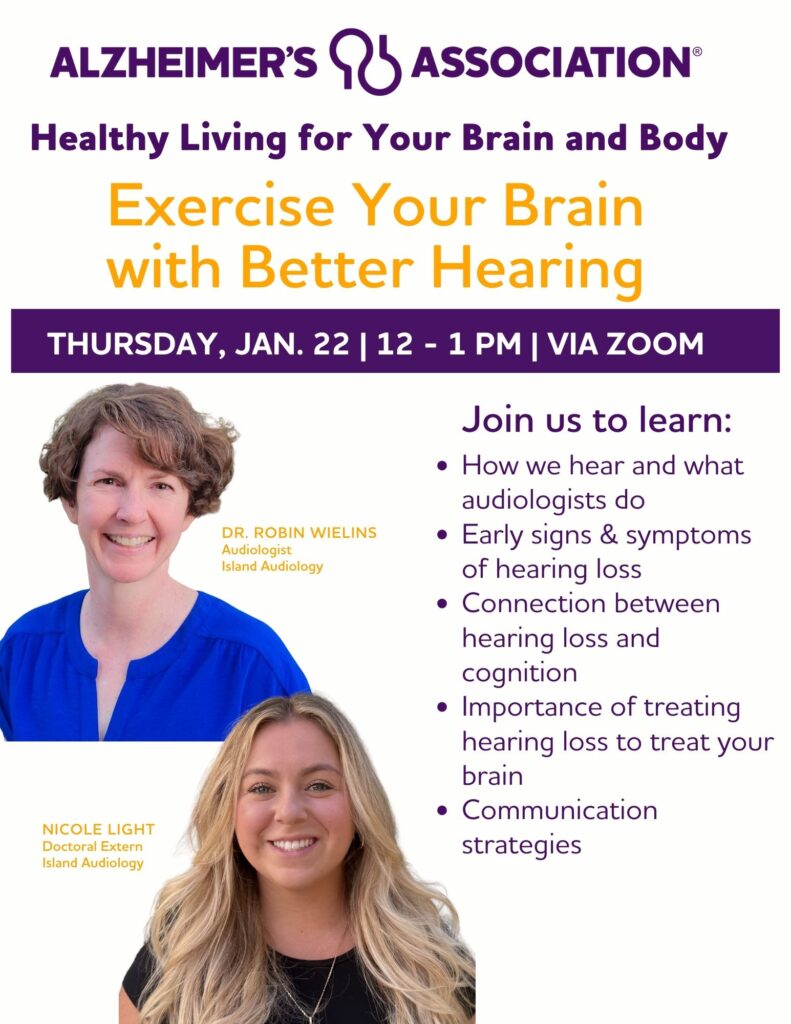
Exercise Your Brain with Better Hearing – Healthy Living for Your Brain and Body
Hearing health plays a powerful—and often overlooked—role in brain health. Untreated hearing loss has been linked to increased risk of cognitive decline, social isolation, and changes in brain function, yet many people delay evaluation and care for years.
Join us for this statewide virtual education program with Dr. Robin Wielens, founder and audiologist with Island Audiology in Honolulu, as she explores the connection between hearing and brain health. Participants will learn how hearing loss affects the brain, why early detection matters, and practical steps to protect both hearing and cognitive health at any age.
This program is designed for adults of all ages, caregivers, and anyone interested in proactive brain health and healthy aging.
For centuries, we’ve known that the health of the brain and the body are connected. But now, science is able to provide insights into how to make lifestyle choices that may help you keep your brain and body healthy as you age. Join us to learn about research in the areas of diet and nutrition, exercise, cognitive activity and social engagement, and use hands-on tools to help you incorporate these recommendations into a plan for healthy aging.
Hypertension and Alzheimer’s Disease Risk
The National Association of County and City Health Officials is hosting a Cardiovascular Health Community of Practice (CoP) peer-learning session about the connection between Hypertension and Alzheimer’s Disease Risk Reduction. This session will explore the connection between hypertension and Alzheimer’s disease, highlight evidence-based risk reduction strategies, and share practical tools and resources that support local and state public health efforts. Participants will also engage in interactive discussion with peers working in cardiovascular health, brain health, and healthy aging.
Messaging Brain Health: Public Health Strategies for Dementia Risk Reduction
Public health professionals are invited to join an upcoming webinar hosted by the BOLD Public Health Center of Excellence on Dementia Risk Reduction on public health messaging around brain health. The webinar will feature a panel discussion and showcase a new toolkit to help public health agencies create and disseminate culturally responsive messaging campaigns.
During this free webinar, participants will:
Understand how communicating effectively is a key strategy to increase knowledge and awareness about dementia risk reduction.
Learn how to apply key components of a new toolkit for public health agencies to understand your community’s needs and identify opportunities to promote brain health.
Hear health department leaders share their experiences crafting and implementing awareness campaigns in their states.
AARP News: Top Dementia Risk Factors
| News
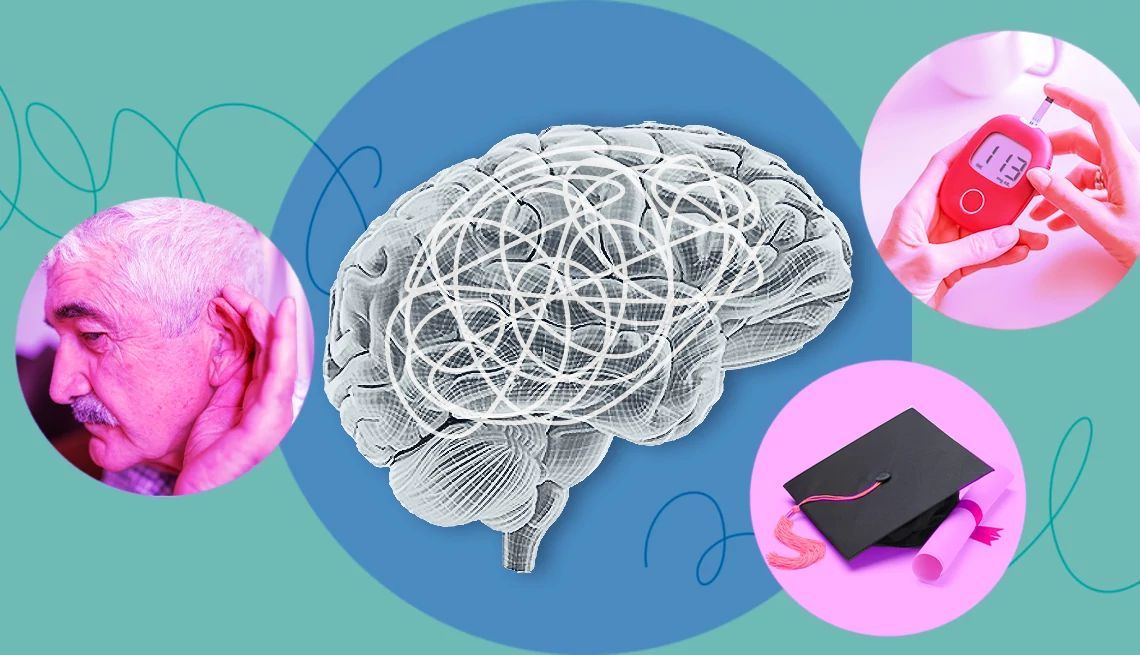
According to the Lancet Commission, nearly half of dementia cases could be reduced by lifestyle changes or public policies that promote brain health. AARP posted an article about a research analysis by AARP’s Alzheimer’s Disease Data Initiative (AD Data Initiative) and the Institute for Health Metrics and Evaluation at the University of Washington (IHME). They completed an analysis of more than 600 studies and state-by-state comparisons. The article claims that high blood sugar, hearing loss and low educational attainment are the strongest risk factors in the United States. Click here to read the full article written by Liz Szabo, AARP.
Mahalo to Gary Simon, State President of AARP Hawai’i, for sharing this article!
Photo Credit: AARP (Getty Images,3)
Follow Us on Social Media
Sign Up for Our Email Newsletter
Receive News, Alerts & Updates via Email
Thank you! You have successfully joined our subscriber
list. You will receive an email shortly to confirm your subscription.
You are now leaving the Hawaii Dementia Initiative website to visit an external site.
Follow Us on Social Media