

Brain Healthy Nutrition
Discover how local flavors and brain-healthy foods can boost brain health, reduce dementia risk, and support overall wellness—one delicious meal at a time.
Featured Recipes
Enjoy ʻono brain healthy dishes that nourish your mind. Check back often for new featured recipes!
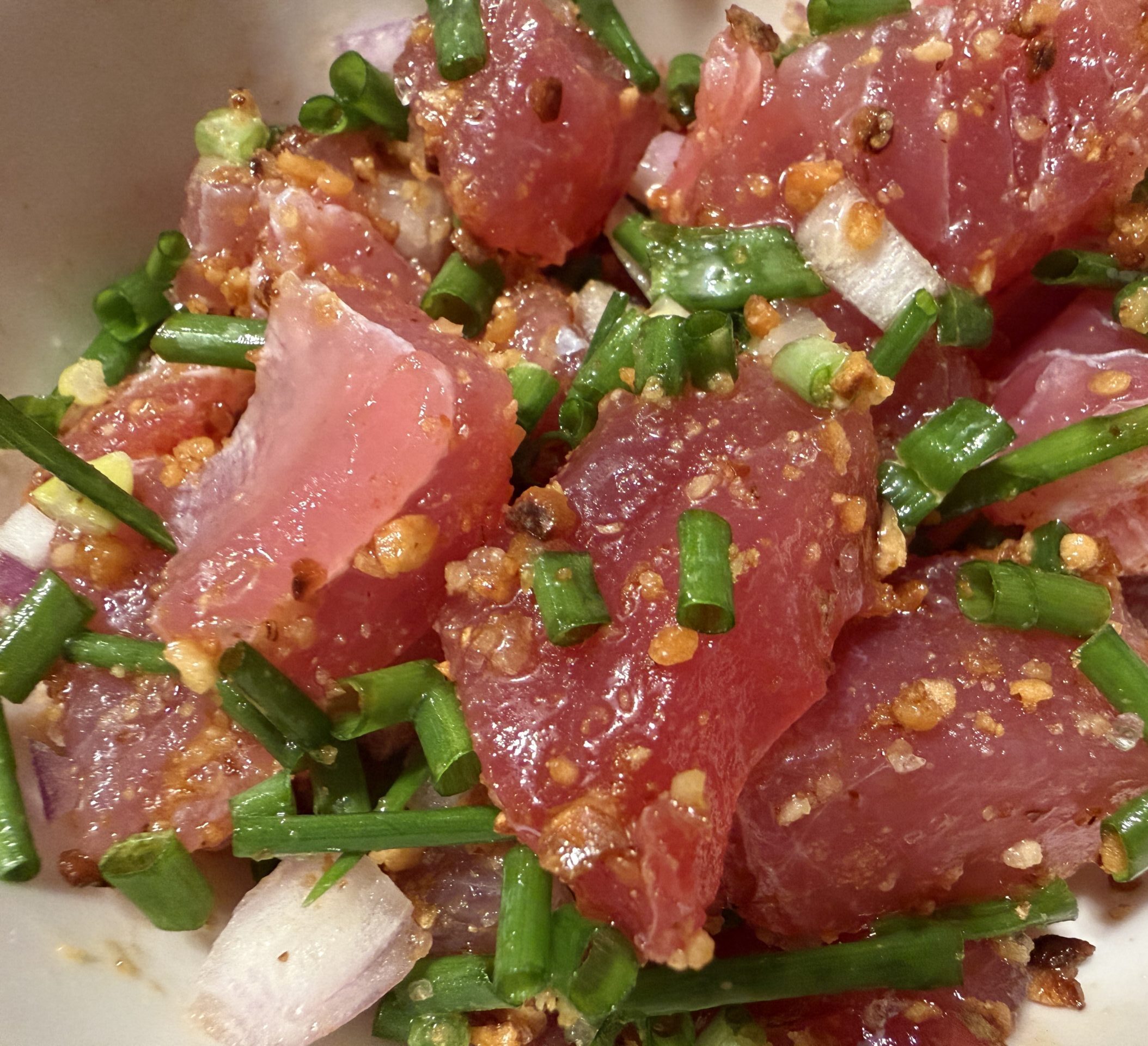


What makes food brain healthy?
What we eat plays an important role in keeping our brains healthy and reducing the risk of dementia as we get older. Research shows that diets rich in vegetables, whole grains, and healthy fats can help manage blood pressure, diabetes, and obesity—three key factors associated with an increased risk of dementia. By choosing brain-healthy foods, we also support both heart and metabolic health, helping us think clearly and stay independent as we age. Many of these foods also provide nutrients that protect brain cells and improve how they communicate.

Eating brain-healthy foods doesn’t mean giving up local favorites - it's about making small changes.
Using local ingredients like ʻulu (breadfruit), kalo (taro), and fresh greens makes it easy to prepare nourishing and affordable meals that celebrate and strengthen culture and community.
Brain-healthy foods are:
- Rich in antioxidants (berries, fruits, colorful vegetables)
- High in healthy fats (fish, nuts, olive oil, avocado, avocado oil)
- Packed with fiber and plant nutrients (beans, whole grains, greens)
- Naturally lower in added sugar, salt, and saturated fat
Making Brain-Healthy Choices
In everyday meals, try to fill your plate with foods that nourish your brain and limit those that can work against it. Start small, eat together, and enjoy foods that nourish both your brain and heart—one bite at a time.
Eat More
- Leafy greens such as spinach, luʻau leaf, kale, seaweed
- Vegetables & fruit such as sweet potato, broccoli, berries
- Whole grains, including brown rice, oatmeal, quinoa
- Healthy fats & proteins like fish, nuts, beans, olive oil, avocado oil
- Poultry or fish in place of red or processed meats
Limit
- Red or processed meats
- Butter and coconut oil
- Fried foods
- Salty, sugary, or heavily processed foods
Recipe Resources
These resources follow principles from the Mediterranean diet and MIND diet because research shows this can help keep your brain healthy and may lower the risk of dementia. These foods help keep blood vessels strong, reduce inflammation, and give your brain and body lots of good nutrients (NIH, 2024; Harvard Health, 2023; Alzheimer’s Association, 2024).
Our goal is to empower Hawaiʻi communities to enjoy foods that support brain health. We know research is always changing, and we keep learning more about nutrition every day.

How to make your recipes brain healthy?


How to Make it Your Own
These are cultural foods that support brain health.
Recipe Library

‘Ulu Pancakes & Pumpkin Ice Cream
- Type: Breakfast
- Difficulty: Easy
- Culture: Local Hawaiʻi
- Allergens: Dairy/Milk, Eggs, Wheat
- Diet: Vegetarian
- Prep Time: 45 minutes
- Cook Time: 30 minutes
- Yield: 3 servings

Bell Pepper Stir Fry
- Type: Appetizer, Main
- Difficulty: Easy
- Culture: Asian/American
- Allergens: Eggs, Sesame
- Diet: Gluten-Free
- Prep Time: 5 minutes
- Cook Time: 15 minutes
- Yield: 2 servings
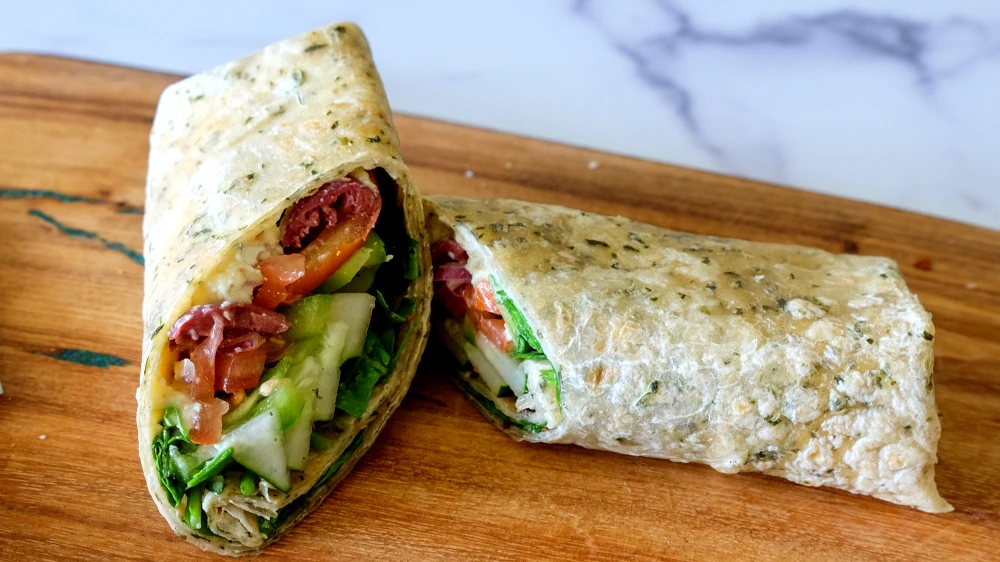
Big Greek Vegetarian Burrito
- Type: Breakfast, Main
- Difficulty: Easy
- Culture: Greek
- Allergens: Dairy/Milk, Tree Nuts, Wheat
- Prep Time: 30 minutes
- Yield: 1 serving

Broccoli Raisin Salad
- Type: Appetizer, Side
- Difficulty: Easy
- Culture: American
- Allergens: Dairy/Milk, Tree Nuts
- Diet: Gluten-Free
- Prep Time: 10 minutes
- Yield: 4-6 servings
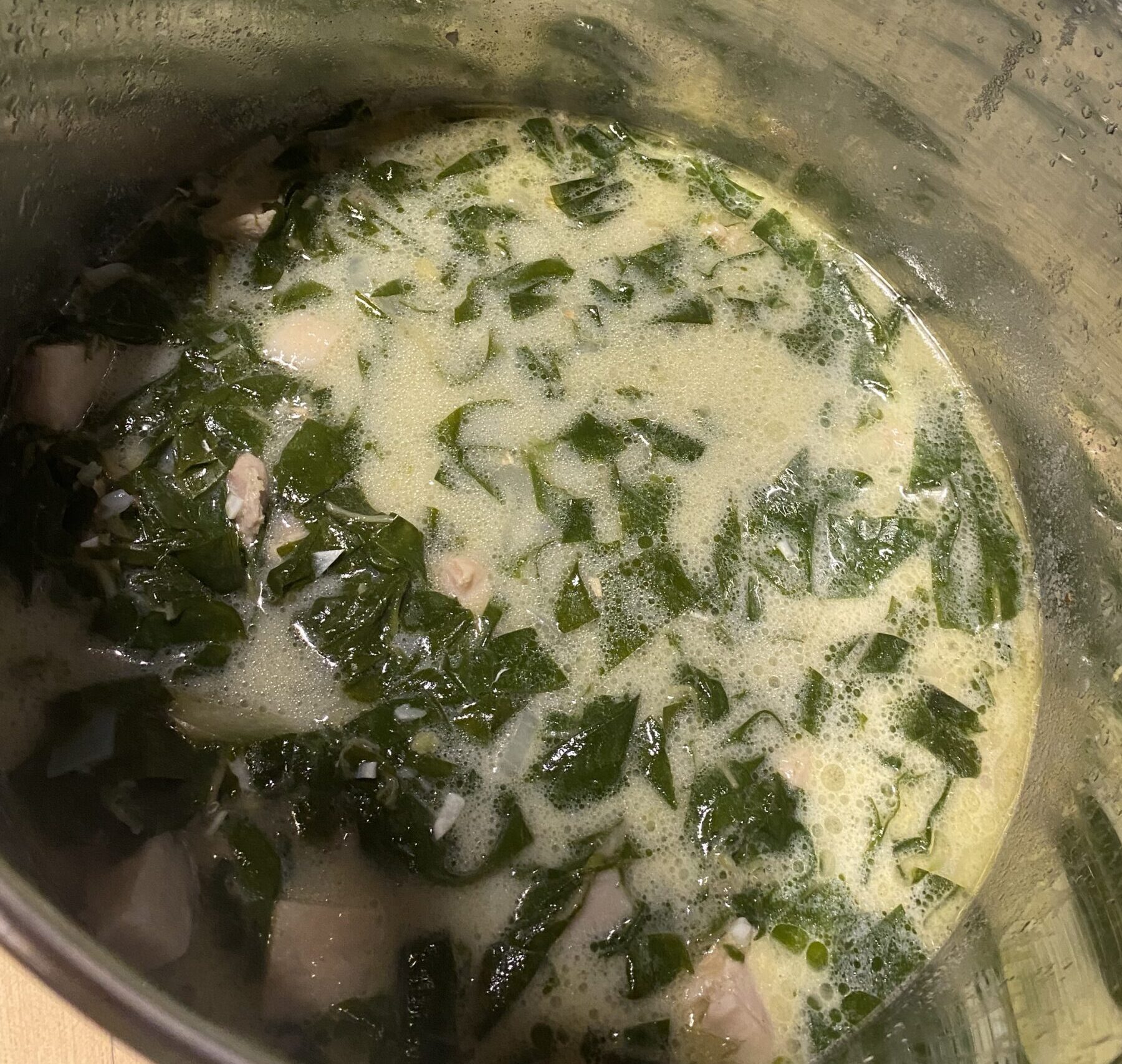
Chicken Lūʻau
- Type: Main
- Difficulty: Moderate
- Culture: Local Hawaiʻi, Hawaiian
- Allergens: Fish, Tree Nuts, Soy
- Prep Time: 15 minutes
- Cook Time: 30 minutes
- Yield: 5 servings
Mahalo to our Brain Health & Risk Reduction action team & community partners!



Sign Up for Our Email Newsletter
Receive News, Alerts & Updates via Email
Follow Us on Social Media