July 16th from 2:00 pm - 3:00 pm
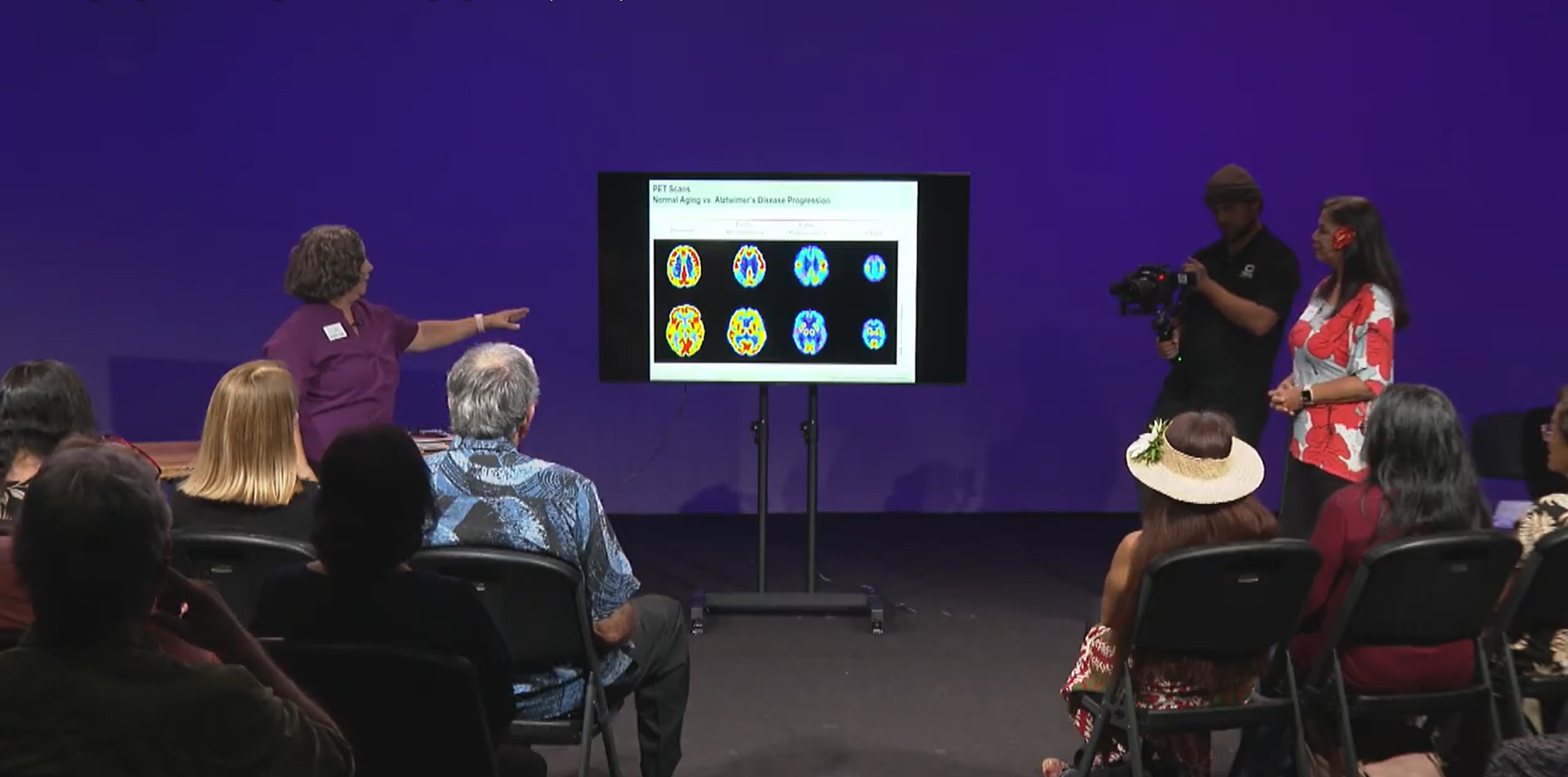
Food is Medicine – Brain Health (Care Home ECHO)
Presenter: Heidi Wulzen, MPH, RDN, LD, Founder & Consultant, Heritage Health
Host: UH JABSOM Geriatrice Workforce Enhancement Program Care Home ECHO
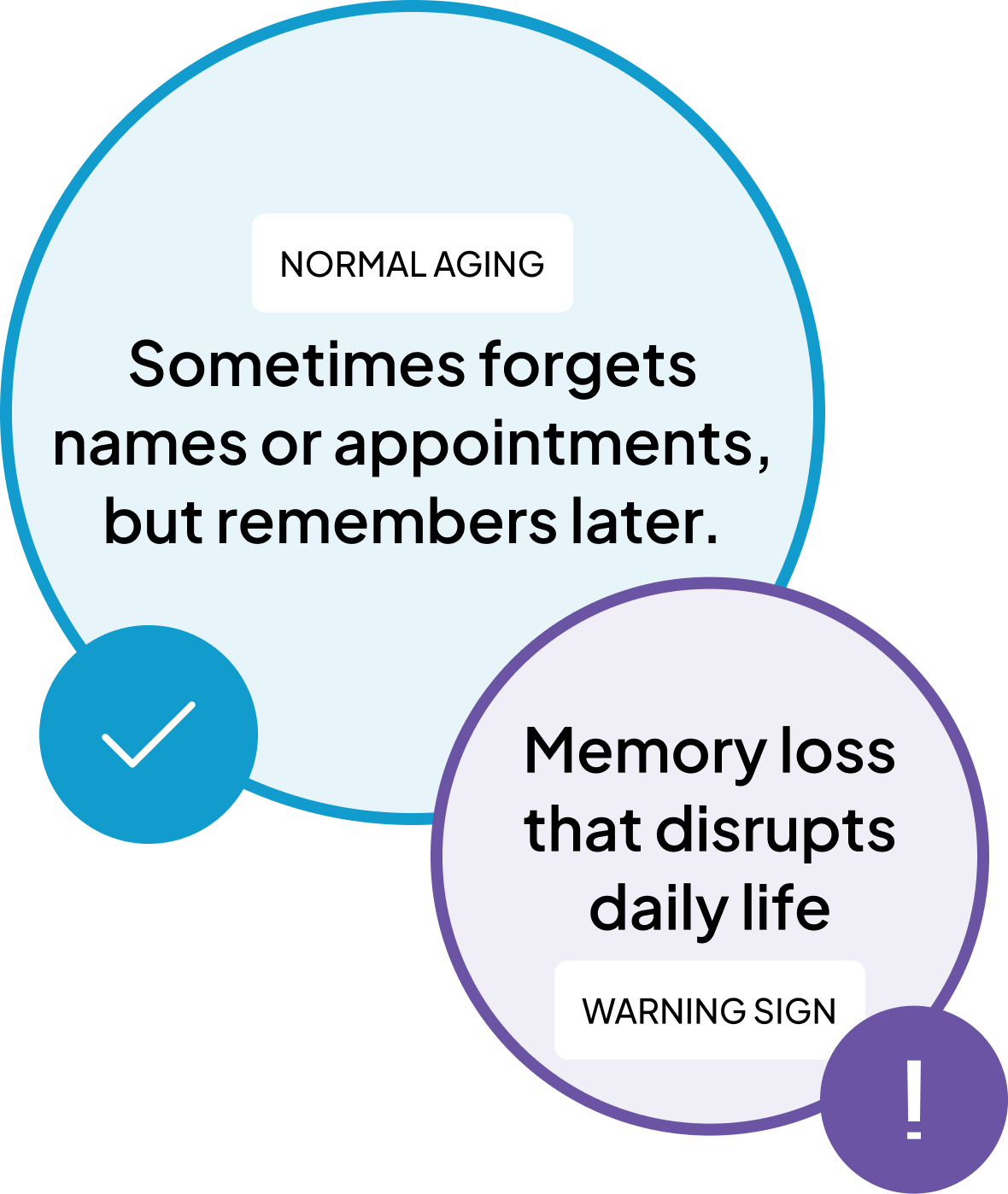
It’s normal for our brains and bodies to change as we age — but that doesn’t mean everyone gets dementia. Learn how to tell the difference between typical aging and signs of dementia. Support is available.
Hawai‘i Dementia Initiative is a coalition of people across Hawai‘i who are passionate about all things dementia. We’re working together to boost brain health, care for caregivers, and improve dementia care. Together, we’re raising awareness, empowering with education, and spreading hope.
Find Answers to Your QuestionsDementia is the overall term that describes a group of symptoms such as memory loss, difficulties with language, problem solving and other cognitive functions. Dementia is caused by abnormal changes in the brain due to various diseases and damage to brain cells. Alzheimer’s disease is one type of dementia and itʻs the most common. There are many different types of dementia.
Learn MoreYou’ve already taken the first step to learn more by visiting this website. Way to go! Here’s a list of signs and symptoms. If these sound similar to your current experience, speak with your healthcare provider about your cognition. A healthcare provider can do a cognitive screening and further evaluation if appropriate. There may be other treatable medical conditions that can cause dementia-like symptoms. Either way, there’s hope, support, and care for you on your journey.
Learn MoreNearly half of dementia cases could be reduced by addressing modifiable risk factors. Research is continually advancing and there are many dementia risk factors being studied around the world. Click the link below to learn more about brain health and reducing risk for dementia.
Learn MoreYou are not alone. Everyone has either been a caregiver, is currently a caregiver, will be a caregiver, or will need a caregiver.
Learn MoreThis page provides an overview of ways to improve your brain health, dementia risk factors, and provides tips and resources.
Begin your journey by finding answers to the most commonly asked questions about dementia.
Discover how local flavors and brain-healthy foods can reduce dementia risk and support overall wellness—one delicious meal at a time.
July 16th from 2:00 pm - 3:00 pm
Presenter: Heidi Wulzen, MPH, RDN, LD, Founder & Consultant, Heritage Health
Host: UH JABSOM Geriatrice Workforce Enhancement Program Care Home ECHO
July 17th from 2:30 pm - 4:00 pm
We offer support groups for caregivers and individuals living with Alzheimer’s or other dementia. All support groups are facilitated by trained individuals. Support groups create a safe, confidential, supportive environment or community and a chance for participants to develop informal mutual support and social relationships. They also educate and inform participants about dementia and help participants develop methods and skills to solve problems.
Host: Alzheimer's Association Hawaiʻi Chapter (Hilo)
July 18th from 10:00 am - 12:00 pm
This professionally facilitated support group is for individuals recently diagnosed with early-stage dementia and their care partner. Led by Kevin Y. Kawamoto, MSW, Ph.D., the group provides a safe, supportive space to share experiences, coping strategies, and emotions. Pre-screening is required.

Host: Catholic Charities Hawaii
Call to Register: 808-527-4777
Phone: (808) 527-4777
July 20th from 6:30 pm - 8:00 pm
We offer support groups for caregivers and individuals living with Alzheimer’s or other dementia. All support groups are facilitated by trained individuals. Support groups create a safe, confidential, supportive environment or community and a chance for participants to develop informal mutual support and social relationships. They also educate and inform participants about dementia and help participants develop methods and skills to solve problems.
Host: Alzheimer's Association Hawaiʻi Chapter (Oʻahu)
Contact: Email Gina Plummer at geplummer@alz.org or call (808) 518-6648
Email: geplummer@alz.org
Phone: (808) 518-6648
Receive News, Alerts & Updates via Email
Follow Us on Social Media